
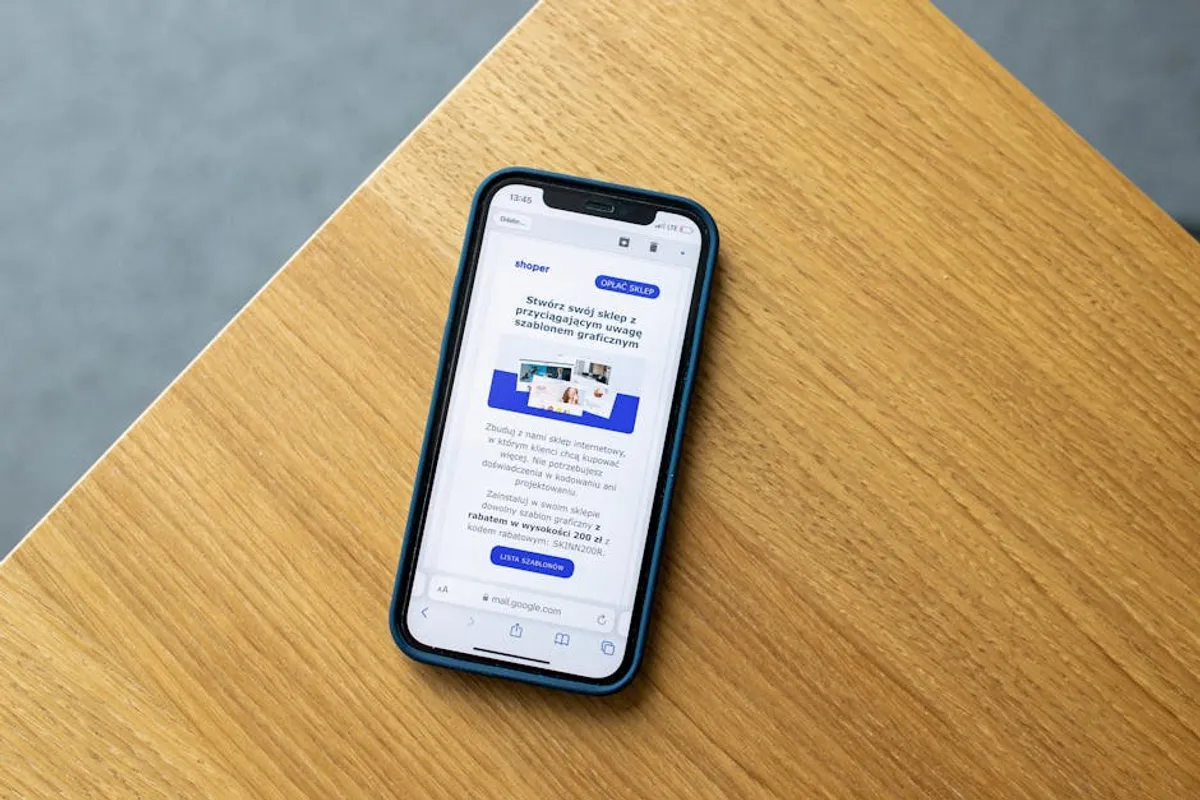
Transactional emails are automated communications sent to individual users following a specific action or event. Unlike marketing emails, which aim to promote products or services to a broad audience, transactional emails serve a functional purpose: to facilitate, confirm, or provide updates related to a commercial transaction or an ongoing customer relationship. For any business operating online, these emails are not merely a courtesy; they are critical touchpoints that build trust, ensure operational transparency, and directly impact customer satisfaction and retention.
Businesses must distinguish transactional emails from promotional messages due to their distinct legal requirements, technical delivery pathways, and customer expectations. Misclassifying these communications can lead to deliverability issues, legal non-compliance, and a erosion of customer confidence. Understanding their specific role and optimizing their delivery and content is fundamental for maintaining a robust digital presence and a positive customer experience. Following email delivery best practices helps avoid legal non-compliance and deliverability issues.
Defining Transactional Email Communication
The core characteristic of a transactional email is its direct relevance to a user-initiated interaction or a pre-existing business relationship. These messages are triggered by specific events, such as a purchase, a password request, or an account update. Their primary purpose is to convey essential information, not to solicit a sale or promote new offerings. This distinction is crucial for both legal compliance and effective communication strategy.
Key attributes include:
- Triggered by User Action: Sent in response to an explicit action taken by the recipient (e.g., placing an order, signing up for an account, requesting a password reset).
- Non-Promotional Content: The main body of the email must contain information directly related to the user's action. While subtle branding is acceptable, overt marketing messages, upsells, or cross-sells are generally avoided to maintain their transactional integrity.
- Expected and Timely: Recipients typically anticipate these emails, often immediately after their action. Delays can cause anxiety or confusion, leading to increased customer support inquiries.
- Legal Exemption (in some cases): Depending on jurisdiction (e.g., CAN-SPAM Act in the US, GDPR in Europe), transactional emails are often exempt from certain consent requirements that apply to marketing emails, precisely because they are not promotional. However, they must still adhere to basic sender identification and, for some types, offer unsubscribe options.
Common Applications of Transactional Emails
Businesses deploy a variety of transactional emails to manage customer interactions and operational workflows. These include:
- Order Confirmations: Details of a purchase, including items bought, total cost, and order number.
- Shipping Notifications: Updates on order status, tracking numbers, and estimated delivery times.
- Account Creation/Welcome Emails: Confirming successful registration, providing login details, and sometimes a brief guide to getting started.
- Password Resets: Secure links or codes to regain access to an account.
- Subscription Renewals/Cancellations: Confirming changes to a recurring service.
- Support Ticket Updates: Acknowledging receipt of a support request and providing status changes.
- Invoices/Receipts: Formal documentation of payment for goods or services.
- Event Registrations: Confirming attendance, providing event details, and calendar integrations.
- Feedback Requests: Soliciting reviews or feedback specifically about a recent transaction or service interaction.
The Commercial Value of Optimized Transactional Emails
Beyond their functional necessity, transactional emails offer significant commercial advantages. They are not just administrative overhead; they are strategic assets that reinforce brand perception, reduce operational costs, and foster long-term customer relationships.
Customer Trust and Confidence: Prompt, clear, and accurate transactional emails reassure customers that their actions were successful and their information is being processed correctly. This builds confidence in your brand's reliability and professionalism. Implementing effective customer communication strategies through transactional emails fosters long-term customer relationships.
Operational Efficiency: Automating these communications reduces the burden on customer support teams, as common questions about order status or account access are proactively addressed. This frees up resources for more complex inquiries.
Brand Reinforcement: Consistent branding, tone of voice, and design across all transactional emails strengthen brand identity. Every email becomes an opportunity to present a professional, cohesive image.
Reduced Churn and Increased Retention: By keeping customers informed and engaged at critical points in their journey, businesses can prevent uncertainty that might lead to cancellations or disengagement. A well-timed shipping update, for example, can significantly improve post-purchase satisfaction.
Pro Tip: Strategic Content Integration
While transactional emails must remain primarily functional, there is a narrow window for strategic, non-intrusive content. Consider including a link to a relevant help article, a suggestion for a complementary product (if directly related to the purchase), or a clear call to action for a post-purchase survey. The key is subtlety and direct relevance; the primary purpose of the email must not be overshadowed by promotional elements, otherwise, it risks being classified as marketing and incurring legal and deliverability penalties.
Technical Considerations for Reliable Delivery
The high expectation for timely delivery of transactional emails necessitates a robust technical infrastructure. Unlike marketing campaigns, where a delay of minutes or hours might be acceptable, transactional emails often require near-instantaneous delivery.
Dedicated Sending Infrastructure: Many businesses utilize specialized Email Service Providers (ESPs) or SMTP services designed for transactional email. These services often provide dedicated IP addresses, which help maintain a strong sender reputation, ensuring emails bypass spam filters and reach inboxes reliably.
Authentication Protocols: Implementing Sender Policy Framework (SPF), DomainKeys Identified Mail (DKIM), and DMARC is critical. These protocols verify the sender's identity, preventing spoofing and improving deliverability by signaling to receiving mail servers that the email is legitimate.
Monitoring and Analytics: Tracking delivery rates, bounce rates, and open rates for transactional emails is essential. High bounce rates can indicate issues with email addresses or sender reputation, requiring immediate investigation to maintain deliverability.
Optimizing Transactional Email Content and Design
Effective transactional emails are not just about delivery; their content and presentation significantly impact their commercial utility.
Clarity and Conciseness: Get straight to the point. The recipient is looking for specific information, so make it easy to find. Use clear subject lines that accurately reflect the email's purpose (e.g., "Your Order #12345 Confirmation").
Personalization: Address the recipient by name and reference specific details of their transaction or account. This reinforces the personal relevance of the communication.
Clear Call-to-Action (if applicable): If the email requires a follow-up action (e.g., "Track Your Order," "Reset Password," "View Invoice"), make the call-to-action prominent and unambiguous.
Mobile Responsiveness: A significant portion of email opens occur on mobile devices. Ensure emails are designed to display correctly and legibly across various screen sizes.
Branding Consistency: Use your brand's logos, colors, and fonts to ensure a consistent experience with your website and other communications. This reinforces brand identity and professionalism.
Implementing Effective Transactional Email Strategies
To maximize the impact of your transactional emails, a systematic approach is necessary:
- Audit Current Communications: Review all existing automated emails. Classify them as strictly transactional or promotional. Identify any messages that blur the line and refine their content.
- Choose a Reliable Sending Solution: Select an email service provider known for high deliverability of transactional emails. Configure authentication protocols (SPF, DKIM, DMARC) correctly.
- Prioritize Clarity and User Experience: Design emails with the user's immediate need in mind. Ensure information is easy to scan and understand.
- Regularly Test and Monitor: Send test emails to various clients and devices. Monitor delivery rates, open rates, and any feedback loops from ISPs to proactively address issues.
- Ensure Legal Compliance: Stay informed about email regulations in your target markets. While often exempt from opt-in rules, transactional emails still require clear sender identification and, in some cases, an unsubscribe option for non-essential updates.
Frequently Asked Questions
Are transactional emails subject to anti-spam laws?
While often exempt from explicit consent requirements for promotional content, transactional emails are still subject to general anti-spam laws regarding sender identification, accurate subject lines, and the prohibition of deceptive practices. They must clearly state their functional purpose.
Can I include marketing content in transactional emails?
Generally, no. The primary purpose of a transactional email must be functional. Including significant promotional content can cause the email to be reclassified as marketing, subjecting it to stricter consent rules and potentially impacting deliverability by triggering spam filters.
What's the main difference between transactional and marketing emails?
Transactional emails are user-triggered, functional, and communicate information directly related to an action or existing relationship. Marketing emails are initiated by the sender, promotional in nature, and aim to persuade the recipient to take a commercial action.
How do I ensure my transactional emails are delivered reliably?
Focus on using a reputable transactional email service provider, correctly configuring email authentication protocols (SPF, DKIM, DMARC), maintaining a good sender reputation, and avoiding any content that could be mistaken for spam or marketing.