
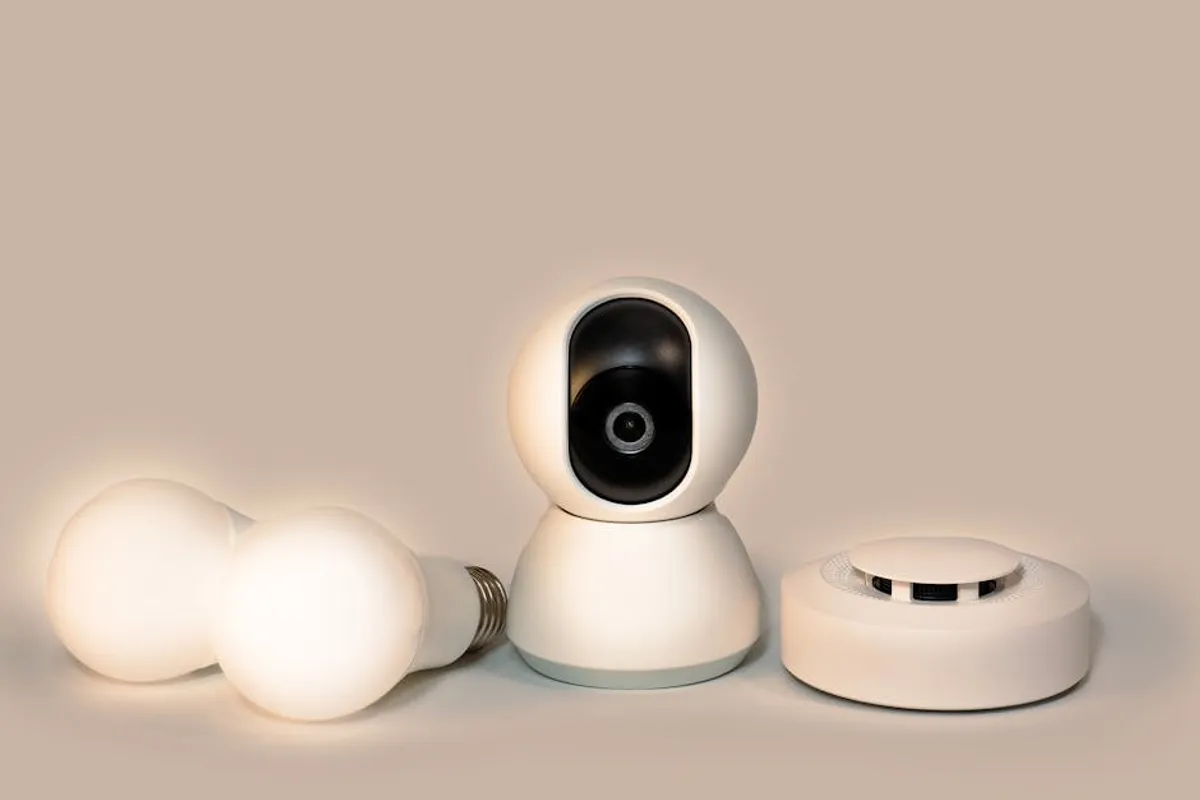
Navigating the smart home device market as a beginner can appear complex due to the sheer volume of options and varying technical standards. However, understanding a core set of foundational devices is crucial for anyone looking to enter this growing segment, whether as a consumer, a content creator, or a marketer. These initial devices often address immediate user pain points, offer straightforward installation, and serve as gateways to broader smart home adoption. For businesses, recognizing these entry points reveals key user intent signals and content opportunities.
Core Smart Home Device Categories for New Users
Smart Plugs and Lighting
Smart plugs represent one of the most accessible entry points into the smart home ecosystem. Their appeal lies in their simplicity: they convert any traditional appliance into a 'smart' one by enabling remote control via an app, voice commands, or scheduled automation. This low barrier to entry, combined with an affordable price point, makes them a popular first purchase. For content strategists, smart plugs generate significant search volume around topics like "energy monitoring," "scheduling lights," and "remote appliance control," indicating clear commercial intent.
Similarly, smart lighting offers immediate, tangible benefits. Users gain granular control over brightness, color, and scheduling, enhancing ambiance and security. While some systems, like Philips Hue, involve a hub for advanced features, many smart bulbs now connect directly via Wi-Fi, simplifying setup. This category is often explored by new users seeking convenience and energy efficiency, creating a strong market for educational content on setup guides, creative uses, and energy savings comparisons.
- Best for: Immediate convenience, energy management, simple automation, low initial investment.
Smart Speakers and Displays
Smart speakers (e.g., Amazon Echo, Google Nest Mini) and their display counterparts (e.g., Amazon Echo Show, Google Nest Hub) act as central control points for many smart homes. They introduce voice control as a primary interface, simplifying interactions with other connected devices. For beginners, these devices provide a familiar way to ask questions, play music, and manage schedules, while subtly introducing the concept of a connected home. From a market perspective, these are critical ecosystem builders; once a user invests in an Alexa or Google Assistant device, they are more likely to purchase other compatible products, driving long-term value for platform providers and accessory manufacturers alike.
The utility of smart displays extends beyond voice, offering visual feedback for weather, calendars, video calls, and even streaming content. This dual-modality enhances user experience and broadens their appeal. Content around these devices often focuses on "voice commands for smart home," "smart display uses," and "integrating smart devices with Alexa/Google Assistant," reflecting their role as primary hubs.
- Best for: Centralized control, voice interaction, information hub, ecosystem integration.
Smart Thermostats
Smart thermostats (e.g., Google Nest, Ecobee) appeal directly to a common household concern: energy consumption and comfort. Their value proposition is clear: automated temperature adjustments based on schedules, occupancy, or even local weather, leading to demonstrable energy savings. While their initial cost is higher than smart plugs, the potential for long-term savings and increased comfort provides a strong incentive for beginners to invest. Many utility companies offer rebates for smart thermostat installations, further lowering the barrier to adoption.
For businesses, the smart thermostat market is characterized by a strong emphasis on return on investment (ROI) and environmental benefits. Content that highlights energy savings, ease of programming, and integration with other smart home systems (like smart speakers for voice control) performs well, targeting users actively seeking solutions to reduce utility bills and enhance home comfort.
- Best for: Energy savings, climate control automation, long-term ROI.
Entry-Level Smart Security Devices
Security is a fundamental human need, making entry-level smart security devices a compelling starting point for many. This category includes simple door/window sensors, basic indoor cameras, and video doorbells. These devices offer immediate peace of mind through remote monitoring, motion alerts, and two-way audio. Setup is often straightforward, with many devices connecting directly to home Wi-Fi and managed via a dedicated app.
The market for these devices is driven by strong emotional factors, making trust and reliability key differentiators. Content that addresses "easy home security setup," "affordable security cameras," and "monitoring pets remotely" resonates with beginners. Companies that offer clear privacy policies and robust encryption gain a competitive edge in this segment, as security and data protection are paramount concerns for users.
- Best for: Basic home monitoring, peace of mind, immediate security alerts, remote access.
Interoperability and Ecosystem Considerations
A critical aspect for beginners to grasp is the concept of interoperability. Not all smart devices communicate seamlessly. Major ecosystems like Apple HomeKit, Google Home, and Amazon Alexa act as unifying platforms, allowing devices from different manufacturers to work together. Understanding communication protocols such as Wi-Fi, Bluetooth, Zigbee, Z-Wave, and Thread is also essential for ensuring compatibility and avoiding frustration. For marketers, content that clarifies these compatibility issues and guides users through building a cohesive smart home ecosystem provides immense value, addressing a common pain point for new adopters.
Pro Tip: Advise new smart home users to start with devices that operate within a single, established ecosystem (e.g., all Google Assistant-compatible or all Apple HomeKit-enabled). This minimizes initial setup complexity and ensures a smoother integration experience, reducing the likelihood of early user frustration and returns.
Privacy and Security Fundamentals
As smart home devices collect data about user habits, environment, and even presence, privacy and security are significant concerns for beginners. Educating users on best practices, such as creating strong, unique passwords, enabling two-factor authentication, and keeping device firmware updated, is crucial. For businesses, transparent privacy policies, end-to-end encryption for data transmission, and clear explanations of data usage build trust. Addressing these concerns proactively in marketing and support content can differentiate a product or service in a competitive market, transforming potential objections into confidence.
Strategic Integration for Long-Term Value
Once beginners understand these foundational devices, the next step involves strategic integration and automation. This means leveraging features like custom routines (e.g., "Good Morning" routine that turns on lights, adjusts thermostat, and plays news) or using services like IFTTT (If This Then That) to create more complex inter-device actions. For marketers and content creators, showcasing these advanced, yet accessible, automation possibilities can drive deeper engagement and encourage users to expand their smart home setup beyond the initial purchases. Demonstrating how these devices collectively solve broader lifestyle challenges positions smart home technology as an integrated solution rather than a collection of disparate gadgets.
Practical Next Steps for Market Entry
For any entity looking to engage with the smart home market, focusing on these beginner-friendly devices offers a clear pathway. Prioritize content and product offerings that emphasize ease of installation, immediate benefits, and clear value propositions. Address common beginner questions directly, such as compatibility, privacy, and cost. By simplifying the entry experience and building trust, businesses can cultivate a loyal user base ready to explore more advanced smart home solutions.
Frequently Asked Questions
What is the easiest smart home device to start with?
Smart plugs are generally considered the easiest entry point due to their low cost, simple setup (plug-and-play), and immediate utility in converting traditional appliances into smart ones.
Do smart home devices require a hub?
While some advanced smart home systems (like certain smart lighting or security setups) benefit from a dedicated hub for enhanced features and reliability, many modern beginner-friendly devices, such as Wi-Fi smart plugs and bulbs, can operate independently using only your home's Wi-Fi network.
Are smart home devices secure?
The security of smart home devices varies by manufacturer and user practices. Reputable brands implement security measures like encryption. Users can enhance security by using strong passwords, enabling two-factor authentication, and regularly updating device firmware.
Can I mix and match smart home brands?
Yes, you can mix and match brands, especially if they are compatible with a common smart home ecosystem like Amazon Alexa, Google Home, or Apple HomeKit. These platforms allow devices from different manufacturers to communicate and work together.