
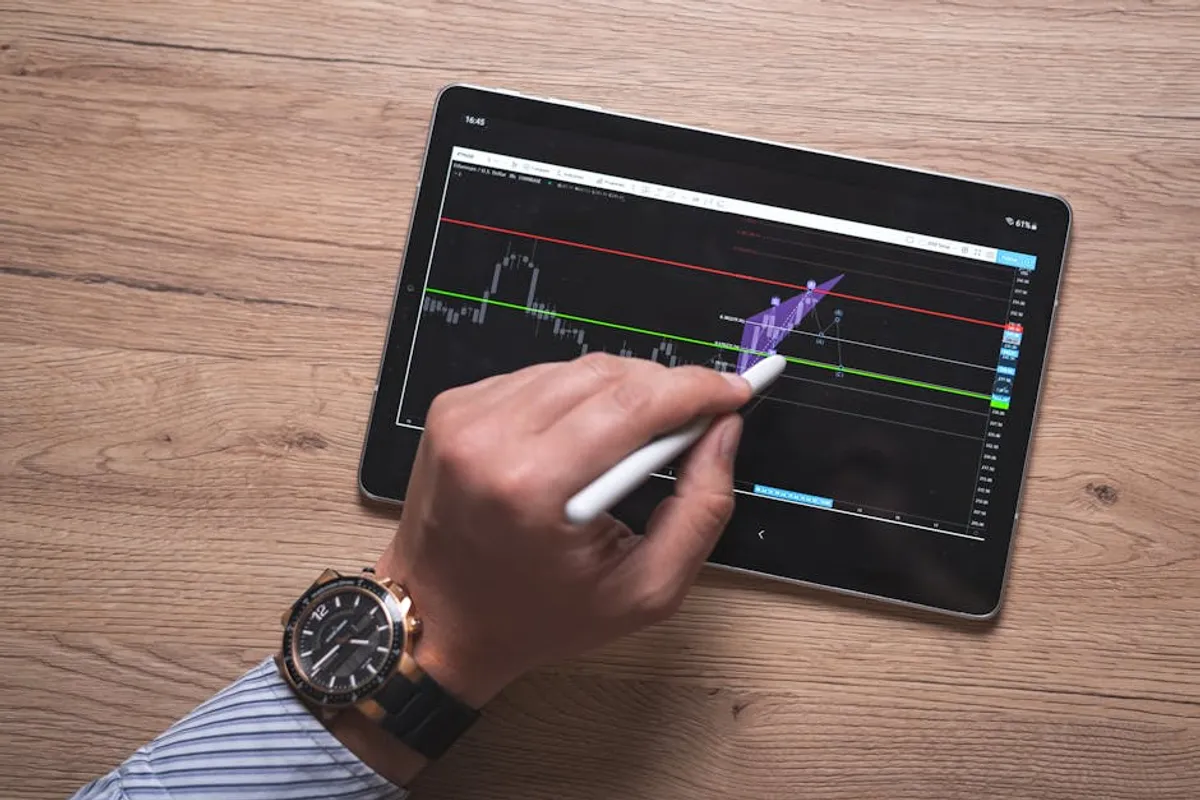
Real-time financial updates represent a critical data stream for any entity operating within or impacted by global markets. These are not merely fast updates, but rather data delivered with minimal latency, often measured in milliseconds, ensuring that decisions are based on the most current market conditions available. For market participants, the distinction between real-time and near real-time, or even delayed, data can translate directly into competitive advantage or significant loss. Understanding the mechanisms, applications, and implications of these data feeds is essential for strategic planning and operational efficiency across diverse sectors.
Defining Real-time Financial Updates
The term "real-time" in financial data signifies the immediate availability of information as soon as it is generated or recorded, with processing delays kept to an absolute minimum. This contrasts sharply with historical data, which is retrospective, or even delayed data, which might be minutes or hours behind live market activity. The value of real-time data lies in its immediacy, enabling instantaneous reactions to market movements, news events, and economic indicators.
Key characteristics include:
- Minimal Latency: Data transmission and processing delays are optimized to be as close to zero as technically possible. This is crucial for high-frequency trading where microseconds matter.
- Direct Feeds: Often sourced directly from exchanges, regulatory bodies, or primary data generators, bypassing intermediate aggregators that might introduce delays.
- Granularity: Provides detailed, tick-by-tick data for price movements, trade volumes, order book changes, and other market events.
- Continuous Flow: Data is streamed continuously, reflecting the dynamic nature of financial markets, rather than being delivered in batches or at fixed intervals.
Commercial Applications Across Industries
The utility of real-time financial updates extends beyond the trading floor, impacting strategic decisions and operational workflows in various commercial contexts.
Financial Trading and Investment
This is the most direct application. Traders, portfolio managers, and algorithmic systems rely on real-time data for:
- High-Frequency Trading (HFT): Automated systems execute trades based on minute price discrepancies or order book changes, requiring sub-millisecond data delivery.
- Arbitrage Opportunities: Identifying and capitalizing on price differences for the same asset across different exchanges or markets before they normalize.
- Risk Management: Monitoring portfolio exposure and market volatility in real-time to trigger automated hedges or adjustments.
- Algorithmic Strategy Execution: Powering complex trading algorithms that react to market events, news sentiment, and technical indicators instantly.
Risk Management and Compliance
Financial institutions leverage real-time data to maintain regulatory adherence and mitigate financial risks.
- Fraud Detection: Identifying unusual transaction patterns or suspicious activities as they occur, allowing for immediate intervention.
- Market Abuse Monitoring: Detecting manipulative trading practices, such as spoofing or layering, in real-time to ensure market integrity.
- Liquidity Management: Monitoring cash flows and asset availability instantaneously to prevent liquidity crunches.
Business Intelligence and Analytics
Beyond direct financial operations, real-time data informs broader business strategies.
- Competitive Intelligence: Tracking competitor stock performance, merger & acquisition announcements, or sector-specific news as it breaks.
- Supply Chain Optimization: Monitoring commodity prices, currency exchange rates, and geopolitical events that could impact supply costs or logistics.
- Customer Behavior Analysis: For fintech companies, analyzing real-time transaction data to offer personalized financial products or fraud alerts.
Media and Content Publishing
News organizations and financial content platforms depend on immediate access to market-moving information.
- Breaking News Alerts: Publishing critical financial news, earnings reports, or economic data releases instantly to inform audiences.
- Live Market Commentary: Providing up-to-the-minute analysis and context for market movements, currency fluctuations, and stock performance.
Pro Tip: Data Validation is Paramount
While speed is crucial, the integrity of real-time financial data is equally important. Implement robust data validation checks at every ingestion point. Cross-reference data from multiple, independent sources if possible, and establish anomaly detection systems. A fast but inaccurate feed can lead to costly errors, negating any advantage gained from speed.
Implementing Real-time Data Feeds
Integrating real-time financial updates into existing systems requires careful planning and robust infrastructure. The primary method for data acquisition is through Application Programming Interfaces (APIs) provided by data vendors or directly from exchanges.
Considerations for implementation include:
- API Selection: Evaluate APIs based on data coverage, update frequency, reliability, and ease of integration. REST APIs are common for historical data, but WebSocket APIs or proprietary streaming protocols are preferred for real-time delivery due to their persistent connection and lower latency.
- Infrastructure Scalability: Systems must handle high volumes of continuous data. This often involves distributed architectures, message queues (e.g., Kafka, RabbitMQ), and high-performance databases designed for time-series data.
- Error Handling and Redundancy: Implement mechanisms to manage dropped connections, data outages, and corrupted feeds. Redundant data sources and failover systems are critical for maintaining continuous operations.
- Data Normalization: Raw data from different sources may have varying formats, symbologies, and update frequencies. A robust data pipeline is needed to normalize, clean, and standardize the data before it's consumed by applications.
Optimizing Your Real-time Data Strategy
A successful real-time financial data strategy involves continuous evaluation and adaptation. As market dynamics evolve and technology advances, so too should your approach to data acquisition and utilization.
Regularly assess the following:
- Latency Requirements: Re-evaluate if your current data latency meets your operational needs. For example, a shift to HFT requires lower latency than general market monitoring.
- Data Coverage: Ensure your feeds cover all relevant assets, markets, and data types (e.g., options data, futures, economic indicators) pertinent to your evolving strategies.
- Cost-Benefit Analysis: Real-time data can be expensive. Periodically review if the commercial benefits derived from your data feeds justify the ongoing costs, including subscription fees, infrastructure, and maintenance.
- Vendor Performance: Monitor the reliability, uptime, and support quality of your data providers. Unreliable feeds or poor support can negate the value of real-time access.
By treating real-time financial data as a strategic asset and continuously refining your approach, organizations can leverage its power to drive informed decisions, enhance competitive positioning, and secure operational resilience in fast-moving markets.
Frequently Asked Questions
What is the primary difference between real-time and near real-time financial data?
Real-time data is delivered instantly as events occur, with latency measured in milliseconds or microseconds. Near real-time data has a slight, intentional delay, typically seconds or minutes, which makes it unsuitable for latency-sensitive applications like high-frequency trading.
Why are real-time financial updates more expensive than delayed data?
The higher cost is due to the significant infrastructure investment required by data providers to collect, process, and distribute data with minimal latency. This includes direct exchange connections, high-speed networks, sophisticated processing engines, and dedicated support for continuous, high-volume data streams.
Can small businesses or individual investors access real-time financial data?
Yes, many brokers and financial platforms offer real-time data access, often bundled with trading accounts or through subscription tiers. While institutional-grade, tick-by-tick feeds remain costly, more accessible options provide sufficient real-time information for many retail investors and smaller firms.
What are the common technical challenges when integrating real-time financial feeds?
Key challenges include managing high data volumes, ensuring low latency and high reliability, standardizing disparate data formats from multiple sources, handling network fluctuations and data outages, and securing sensitive financial information during transit and storage.